
The Politics of Rage - Healing the Heart
/
Parker Palmer's work, "Healing the Heart of Democracy" has inspired me since I read it two years ago, and led a short discussion group on his themes. The book is worth reading in it's entirety, but below are some thoughts that are especially inspirational to me at the center of the "tragic gap".
- I propose that what we call the “politics of rage” is, in fact, the “politics of the brokenhearted. There’s heartbreak across the political spectrum, from one extreme to the other, and not just in this country. Violence is what happens when we don’t know what else to do with our suffering.
- There are people on the far Right and far Left who can’t join in a creative dialogue about our differences – say, the most radical 15 or 20 percent on either end. But that leaves 60 or 70 percent in the middle who could have that conversation, given the right conditions. And in a democracy, that’s more than enough to do business.
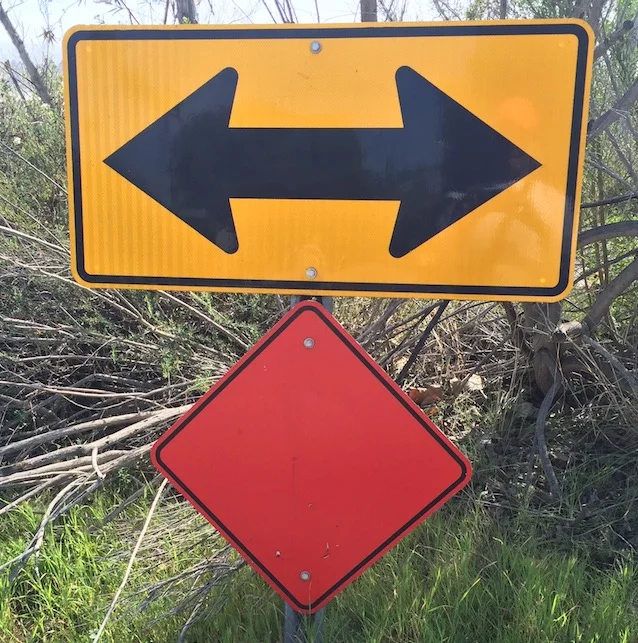
- You often refer to standing in the “tragic gap.” What is that? "By the tragic gap I mean the gap between the hard realities around us and what we know is possible – not because we wish it were so, but because we’ve seen it with our own eyes. For example, we see greed all around us, but we’ve also seen generosity . . . As you stand in the gap between reality and possibility, the temptation is to jump onto one side or the other. If you jump onto the side of too much hard reality, you can get stuck in corrosive cynicism. You game the economic system to get more than your share, and let the devil take the hindmost. If you jump onto the side of too much possibility, you can get caught up in irrelevant idealism. You float around in a dream state saying, “Wouldn’t it be nice if . . .?” These two extremes sound very different – but they have the same impact on us: both take us out of the gap – and the gap is where all the action is.
- …we need to change our calculus about what makes an action worth taking and get past our obsession with results. Being effective is important, of course…but if the only way we judge an action is by its effectiveness, we will take on smaller and smaller tasks, because they are the only kind with which we are sure we can get results. I’m not giving up on effectiveness, but it has to be secondary.
- (Interviewer: Secondary to what?) Faithfulness. That’s what it takes to stand in the tragic gap . . . when people are faithful to a task, they often become for effective at it as well. (Interviewer: What do you mean by “faithfulness”?) I mean being true to my own gifts, true to my perception of the world’s needs, and true to those points where my gifts and those needs intersect. If I can say of my like, “To the best of my ability, I was faithful” in this sense, then I think I’ll be able to die feeling that my time on earth was well spent, even though my big goals will remain unaccomplished. (from Interview in The Sun Magazine - November 2012)